



Description
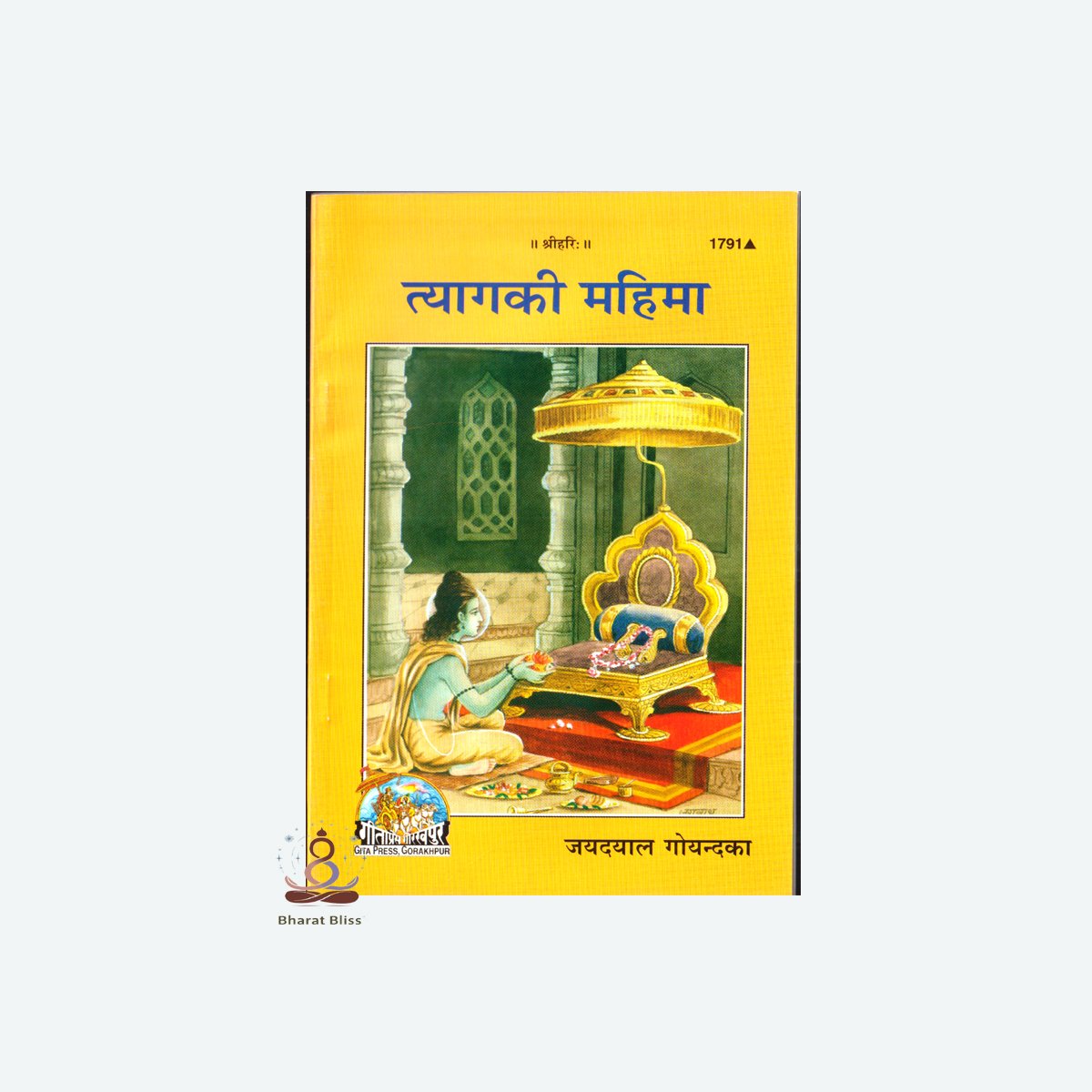
Sacrifice (Tyāga) is a noble virtue deeply rooted in Indian culture and spirituality. It refers not merely to giving up material possessions, but to letting go of selfish desires, ego, and attachment for a higher and meaningful purpose. True sacrifice is performed with pure intention and selflessness.
1️⃣ Essence of Sacrifice
-
Placing others’ well-being above one’s own interests
-
Letting go of attachment, greed, and ego
-
Offering something valuable for a noble cause
-
A conscious act that leads to inner elevation
2️⃣ Importance of Sacrifice
-
Sacrifice uplifts the character and soul of a person
-
It brings peace, contentment, and inner purity
-
Strengthens compassion, love, and harmony in society
-
Helps in overcoming ego and selfish tendencies
-
Leads to spiritual enlightenment and liberation
3️⃣ Types of Sacrifice
-
Material Sacrifice – Giving up wealth, possessions, comforts
-
Fruit Renunciation – Letting go of attachment to the results of actions
-
Ego Sacrifice – Shedding the “I” and “mine” attitude
-
Desire Sacrifice – Controlling cravings and unnecessary desires
-
Emotional Sacrifice – Abandoning anger, jealousy, hatred, and negativity
4️⃣ Sacrifice in Scriptures
-
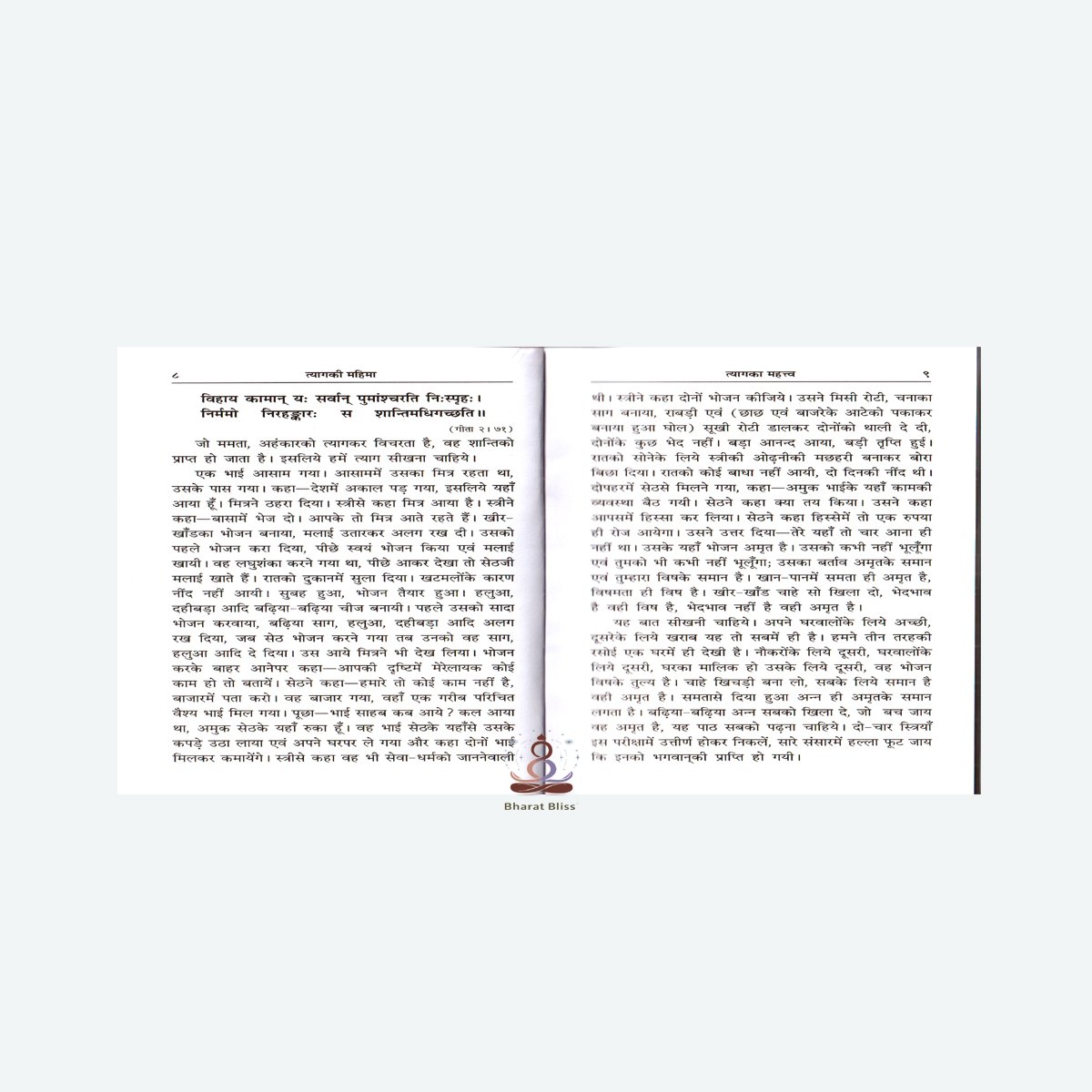
The Bhagavad Gita states:
“Through sacrifice alone, immortality is attained.” -
Upanishads emphasize renunciation as the path to liberation:
“Rejoice in life through sacrifice.” -
Epics like Ramayana and Mahabharata portray several ideal examples of selfless sacrifice
5️⃣ Sacrifice and Leadership
-
A true leader lives not for himself but for others
-
Sacrifice inspires trust, respect, and unity
-
It builds a foundation for social service and collective progress
6️⃣ Rewards of Sacrifice
-
Deep inner joy and spiritual fulfillment
-
A sense of noble purpose in life
-
Moral strength and self-discipline
-
Respect and admiration from society
-
Attainment of liberation (moksha) through self-purification
7️⃣ The Supreme Form of Sacrifice
-
The greatest sacrifice is surrendering one’s ego completely to God
-
In devotion, this becomes the highest form of love and spiritual realization
-
The soul finds its true identity by sacrificing selfishness and becoming one with the Divine
त्याग (Sacrifice/ Renunciation) भारतीय संस्कृति और आध्यात्मिक दर्शन का महत्वपूर्ण आधार है। त्याग का अर्थ है—अपने स्वार्थ, अहंकार, लोभ व आसक्ति को छोड़कर उच्च और महान उद्देश्य की प्राप्ति के लिए स्वयं को समर्पित करना। यह केवल वस्तु-त्याग नहीं बल्कि मन का त्याग होता है।
1️⃣ त्याग का मूल भाव
-
अपने लाभ के बदले दूसरों के लाभ को प्राथमिकता देना
-
मन, वाणी और कर्म में निस्वार्थता रखना
-
अपने अधिकार की वस्तु को भी बड़े हित के लिए छोड़ देने की क्षमता
2️⃣ त्याग का महत्व
-
त्याग मनुष्य को महान बनाता है
-
इससे आत्मिक शांति और संतोष प्राप्त होता है
-
त्याग से समाज में प्रेम, करुणा और सहयोग की भावना बढ़ती है
-
त्याग द्वारा अहंकार व लोभ का नाश होता है और व्यक्ति आध्यात्मिक उन्नति करता है
3️⃣ त्याग के प्रकार
-
वस्तु त्याग – धन, सामग्री, सुविधा का त्याग
-
फल त्याग – कर्म के फल की आसक्ति को छोड़ना
-
अहंकार त्याग – ‘मैं’ और ‘मेरा’ को त्यागना
-
कामना-त्याग – इच्छाओं व लालसाओं को नियंत्रित करना
-
भाव-त्याग – नकारात्मक भावनाओं (क्रोध, ईर्ष्या, द्वेष) का त्याग
4️⃣ धर्मग्रंथों में त्याग की महिमा
-
गीता में कहा गया है—
“त्यागेनैके अमृतत्वमानशुः”
अर्थात त्याग से ही अमरत्व अर्थात मुक्ति प्राप्त होती है। -
उपनिषदों में त्याग को मोक्ष का मार्ग बताया गया है—
“तेन त्यक्तेन भुञ्जीथा” – त्याग कर भोगो -
रामायण और महाभारत में कई प्रसंग त्याग के आदर्श प्रस्तुत करते हैं
5️⃣ त्याग और नेतृत्व
-
सच्चा नेता वही है जो अपने लिए नहीं, समाज के लिए जीता है
-
त्याग से व्यक्ति न केवल स्वयं बदलता है, बल्कि संसार के लिए प्रेरणा बन जाता है
6️⃣ त्याग से मिलने वाले फल
-
सच्चा सम्मान
-
मानसिक शांति
-
परोपकार में आनंद
-
आध्यात्मिक उपलब्धि और मोक्ष
7️⃣ त्याग का परम रूप
-
परम त्याग वह है, जहाँ व्यक्ति अपने अस्तित्व को भी ईश्वर को समर्पित कर देता है
-
भक्तों के जीवन में यह त्याग प्रेम और भक्ति का सर्वोच्च स्वरूप बनता है
Additional information
| Weight | 0.2 g |
|---|
Only logged in customers who have purchased this product may leave a review.

Reviews
There are no reviews yet.